
Ecological
Introduction
At Koppert Cress, everything revolves around the power of nature. We combine our passion for flavour with a deep commitment to sustainability. It is an integral part of who we are and how we work.
Strengthening our goals towards 2036
Introduction
Discover our ecological sustainability goals.
0 1
Gas-free cultivation
2026
By 1 January 2026: 100% reduction in Scope 1 emissions, by connecting to geothermal energy from the Polanen geothermal project.
0 2
Clean water
100%
In 2026, we want to take an important step towards circular water management: our treated wastewater will then be clean enough to be discharged into the ditch without harming the environment.
-
Ecological
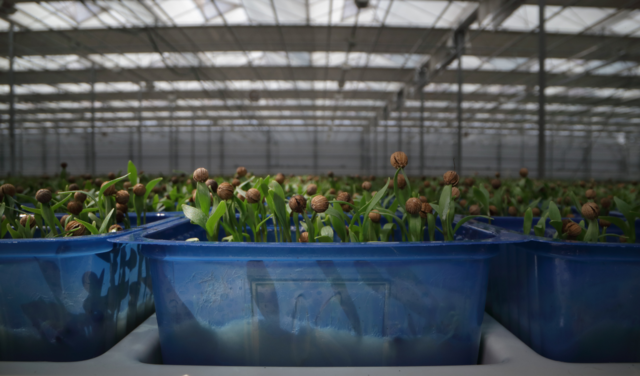
Product Carbon Footprint: an insight into the emissions from a box of Cress
Product Carbon Footprint: insight into the emissions from a box of Cress
At Koppert Cress, we work every day to reduce our impact on the climate and the environment. Insight is essential if we are to make targeted improvements. That is why we have been calculating our Corporate Carbon Footprint (CCF) for many years: the total emissions of our organisation.
However, as not every product has the same impact, we wanted to be able to manage this even more precisely. That is why we have also developed a Product Carbon Footprint (PCF) for our products. This involves mapping the total greenhouse gas emissions throughout a product’s entire life cycle: from the seed right through to the waste disposal of the packaging (or ‘cradle-to-grave’).
-
Ecological
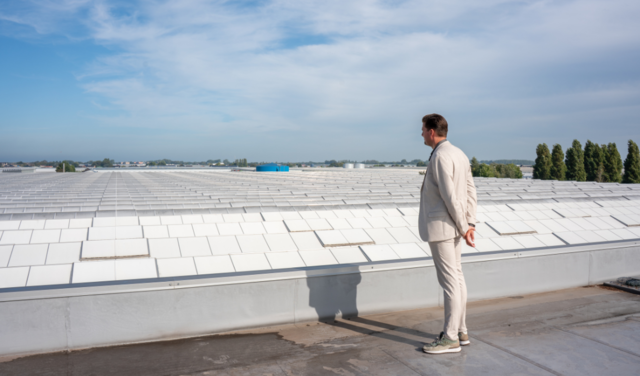
Koppert Cress's climate goals validated by SBTi
Sustainability requires more than just ambition. That is why Koppert Cress had its climate targets validated by the Science Based Targets initiative (SBTi). This independent organization assesses whether climate targets are aligned with the latest climate science and contribute to limiting global warming. With this validation, the SBTi confirms that Koppert Cress’s climate targets are specific, measurable, and aligned with international climate goals.
-
Ecological

Koppert Cress will become climate positive in 2026
Climate postive?
Starting in 2026, Koppert Cress will be climate positive. By investing in emission reduction for years and transitioning to fossil-free energy via geothermal power, we are reducing our direct emissions to zero. We will offset the remaining emissions by 125%, meaning we will remove more CO₂ from the atmosphere than we emit.
-
Ecological
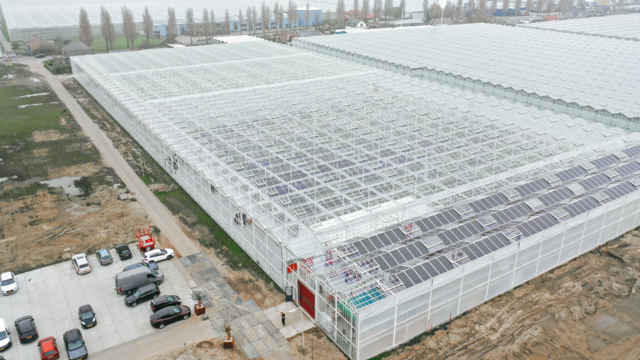
New zero-impact greenhouse for Koppert Cress
With the commissioning of a new, ultra-modern greenhouse, Koppert Cress is once again taking a major step towards fossil-free cultivation. In this greenhouse, speciality crops are grown in a stable and precisely controlled climate, with minimal impact on the environment.
The greenhouse was developed in close collaboration with Division Q and a wide network of partners. The result is a clever interplay of technologies for insulation, climate control, heating and CO₂. Not a collection of separate innovations, but a single integrated system designed to deliver maximum energy savings, minimal emissions and a future-proof method of production. -
Ecological
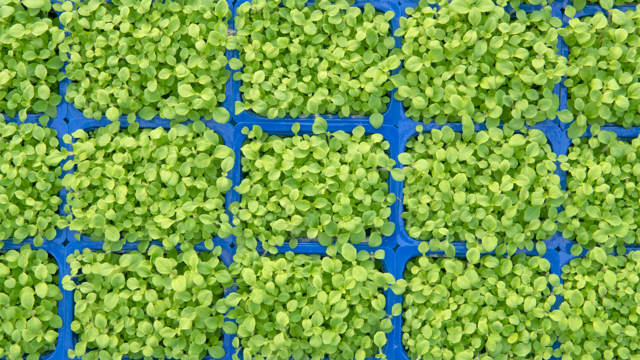
Koppert Cress takes a step towards fossil-free cultivation using geothermal energy
In 2026, Koppert Cress will take the next step as a local grower for Europe: from now on, our cresses will be heated using geothermal energy sourced from a well over 2.3 kilometres deep. This is a major, sustainable step that will transform how we grow our crops and contribute to a future-proof production method.
For the first time, this sustainable energy is flowing through all our greenhouses. This means Koppert Cress is turning off the gas tap and switching to fossil-free cultivation. We are proud of that. -
Ecological
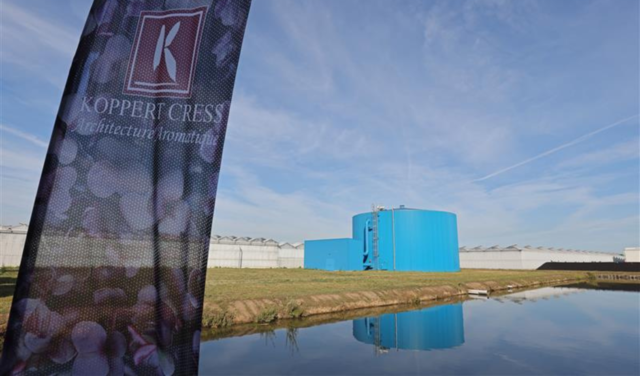
Towards Clean Water, Smart Use
Water is essential for our crops and our activities. At the same time, water resources are under increasing pressure: stricter regulations and growing public demand for more efficient and cleaner use require new solutions. That is why we are working to achieve a closed water cycle: less mains water, more rainwater harvesting and wastewater treatment so that it can be reused.
-
Ecological
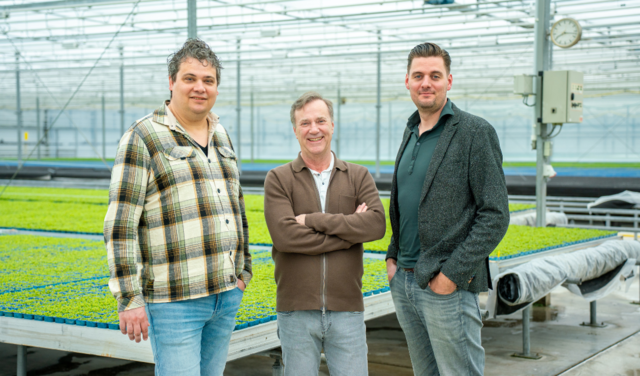
Climate Neutralisation: Investing in Genuine Climate Impact
Neutralisation may sound complicated, but the principle is simple: it means investing in projects that remove CO₂ directly from the air or store it for the long term. We do this by purchasing so-called CO₂ neutralisation credits. These credits represent a verifiable amount of CO₂ that has been removed from the atmosphere elsewhere.
-
Ecological
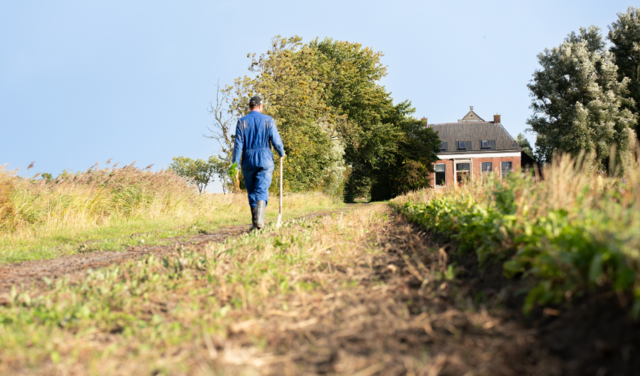
Erwin Westers, Where Regenerative Agriculture and Horticulture Come Together
Where many organic farmers still work with traditional methods, Erwin Westers grew tired of “fighting diseases, pests and weeds.” Since 2006, he has worked alongside his father on the family farm to develop a regenerative farming system.