Climate Neutralisation
Investing in Genuine Climate Impact
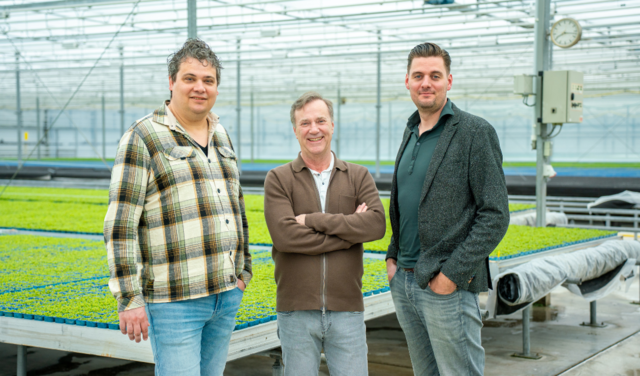
Ecological

Climate Neutralisation?
Neutralisation may sound complicated, but the principle is simple: it means investing in projects that remove CO₂ directly from the air or store it for the long term. We do this by purchasing so-called CO₂ neutralisation credits. These credits represent a verifiable amount of CO₂ that has been removed from the atmosphere elsewhere.
Why does this help? Because the greenhouse effect is a global problem: where CO₂ is released or removed does not physically matter. From 2026 onwards, we will neutralise 125% of our emissions; that means removing more CO₂ from the air than we emit. In this way, we contribute to reducing the total amount of CO₂ in the atmosphere. It makes neutralisation a powerful complement to our own reduction efforts, described in the next chapter.
Selecting climate neutralisation projects
We select neutralisation projects with great care, because we want to make genuine climate impact. When making our selection, we take into account:
- Relevance: We prefer projects that relate to our sector, such as horticulture or regenerative agriculture, and that are preferably local or regional.
- Credibility: We critically assess calculation methods, scientific substantiation, certifications (such as Verra or Gold Standard) and the timeframe over which CO₂ is guaranteed to be stored.
- Team & governance: Behind every project is a team. We assess their expertise, transparency, approach and commitment.
- Costs: We invest with the aim of maximum impact per euro, without compromising quality or integrity.
The most promising initiatives are presented to our management board, which approves the final selection. Based on the emissions forecast for the coming year, we purchase the required CO₂ credits from the chosen projects.
Neutralisation projects 2026
For 2026, twelve projects are on the list, ranging from CO₂ storage beneath the seabed to the planting of seagrass and the blending of renewable diesel (HVO100) at filling stations.
One project has already been launched: the regenerative farm Horaholm of Erwin Westers — read more about it on p. 20 in Cress Compass magazine.
 Capturing CO₂ from Outside Air for Optimal Crop Growth
What began as part of the oxygen system on the International Space Station is now finding a new purpose: Skytree is applying this technology in Dutch greenhouses. With Direct Air Capture (DAC), CO₂ is extracted directly from outside air and made immediately available for plant growth inside the greenhouse.
A mission rooted in practice
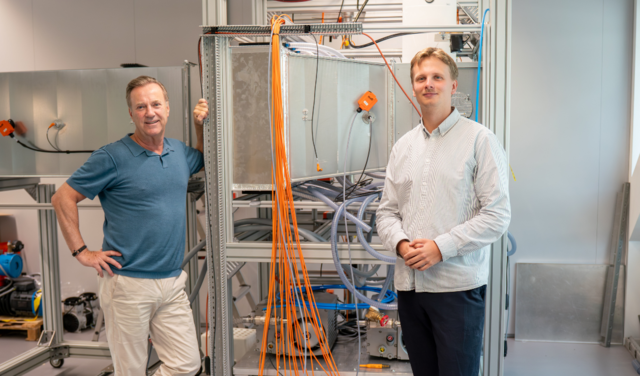
“Our mission is clear,” says Rob van Straten, CEO of Skytree. “We want to help reduce CO₂ in the atmosphere by putting it to local use in sectors that need it, such as greenhouse horticulture. And we do this in a way that is economically viable for our customers.”
Rob van Straten has been CEO of Skytree since 2022. With great passion, he is committed to making a positive social impact — by developing companies and products that deliver strong economic value and help reduce their CO₂ footprint.
Rob van Straten has been CEO of Skytree since 2022. With great passion, he is committed to making a positive social impact — by developing companies and products that deliver strong economic value and help reduce their CO₂ footprint.
Smart and sustainable integration
The DAC technology extracts CO₂ from outside air and channels it into the greenhouse through pipes. There, plants use the CO₂ for their growth. Part of the CO₂ is temporarily stored in plant material and later released again during consumption or natural decomposition. This creates a short, natural carbon cycle that reduces dependence on fossil sources.
The DAC unit is installed outside the greenhouse but connected to the greenhouse climate system. By linking it smartly to the existing heating network, energy consumption remains low. This makes the technology not only effective, but also energy efficient.
“Our customers want to become more sustainable, but they also need to remain practical in their operations,” says Rob.
Partnership as an accelerator
The connection with the greenhouse horticulture sector came about partly through Bart van Meurs of Division Q. “Bart not only contributed knowledge and his network, but also a sharp eye for practical applicability,” says Rob. “He helped us understand what is really needed in a greenhouse environment.”
Koppert Cress is one of the first customers; the installation is planned for June 2026.
Ready to scale up
While many competitors are still in the prototype phase, Skytree is already delivering fully operational systems. The technology is proven, and the demand is there.
“Now it’s up to us to scale up production,” says Rob. “The urgency in the sector is high. We are ready for the next step.”
Sustainable stories
Introduction
Powerful stories that capture our nature: sustainability at every level and in every aspect.
-
Ecological
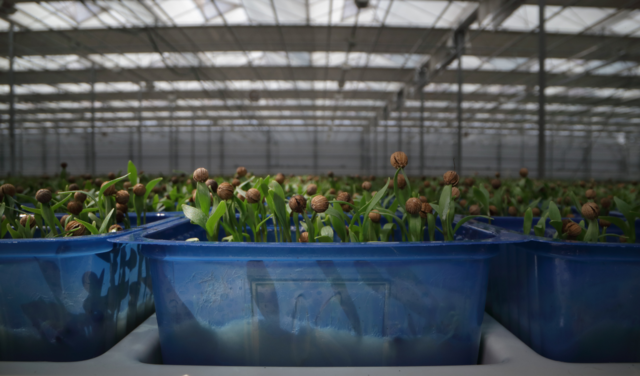
Product Carbon Footprint: an insight into the emissions from a box of Cress
Product Carbon Footprint: insight into the emissions from a box of Cress
At Koppert Cress, we work every day to reduce our impact on the climate and the environment. Insight is essential if we are to make targeted improvements. That is why we have been calculating our Corporate Carbon Footprint (CCF) for many years: the total emissions of our organisation.
However, as not every product has the same impact, we wanted to be able to manage this even more precisely. That is why we have also developed a Product Carbon Footprint (PCF) for our products. This involves mapping the total greenhouse gas emissions throughout a product’s entire life cycle: from the seed right through to the waste disposal of the packaging (or ‘cradle-to-grave’).
-
Ecological
Koppert Cress's climate goals validated by SBTi
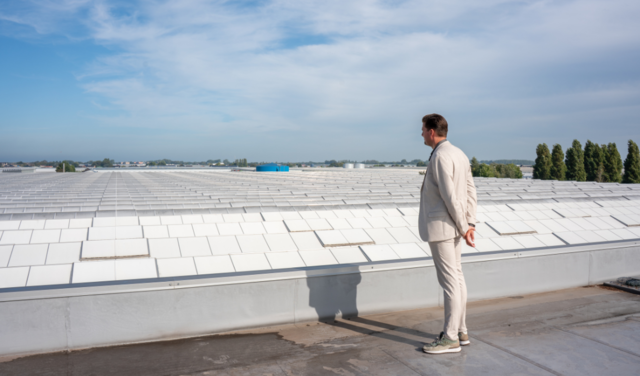
Sustainability requires more than just ambition. That is why Koppert Cress had its climate targets validated by the Science Based Targets initiative (SBTi). This independent organization assesses whether climate targets are aligned with the latest climate science and contribute to limiting global warming. With this validation, the SBTi confirms that Koppert Cress’s climate targets are specific, measurable, and aligned with international climate goals.
-
Social
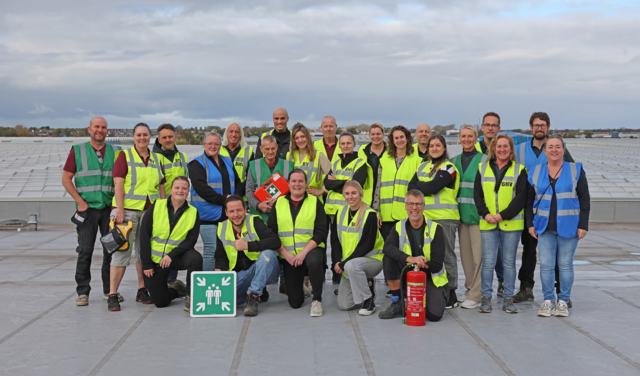
Working Together in an Inclusive Organisation
Why is building trust so important to us? Trust shows someone that we believe in their abilities, intentions and dedication to contribute to a shared goal.
-
Social
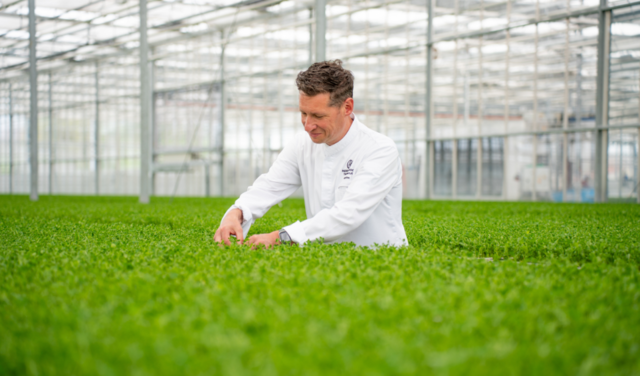
Learning to Change: Connecting Healthy Food, Education and Gastronomy
Koppert Cress and Hotelschool The Hague demonstrate how education, gastronomy and horticulture can strengthen one another. With storytelling as a connecting force, they bring the origin, value and experience of food to life — inspiring the next generation to contribute to a healthier food future.